How to defend your garden from the squash bug
PHOTO CREDIT: Photos by Whitney Cranshaw, Colorado State University, Bugwood.org
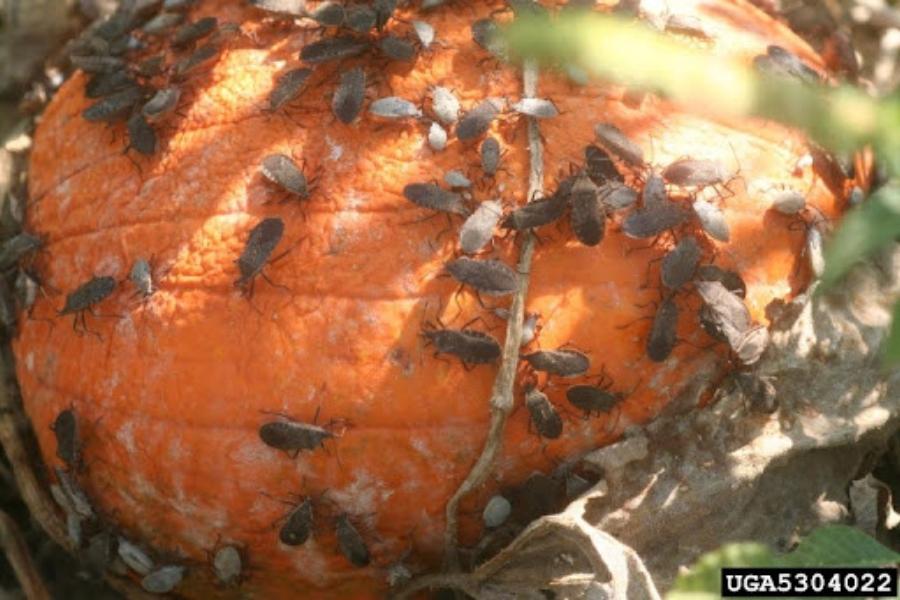
Just when you think you’ll have the perfect pumpkin for Halloween, your vines begin wilting, and you see the grey to black squash bug (Anasa tristis) feasting on what would have been your jack-o-lantern. These pests are one of the most destructive bugs in the garden, but there are effective ways to combat them.
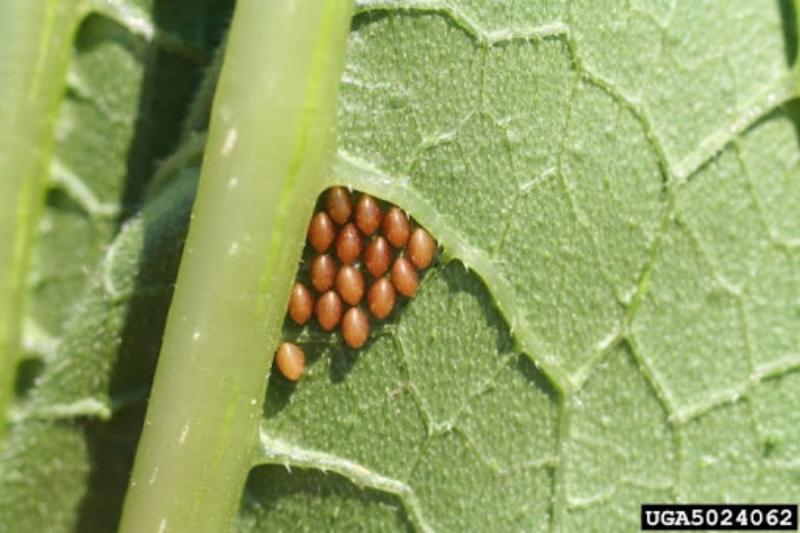
According to Colorado State University’s Extension, squash bugs spend winters sheltering in debris near infested plantings and move to germinating squash in late spring. After laying eggs in small masses on the underside of leaves, the pale green-blue nymphs hatch within about a week. Both nymphs and adults feed by sucking the sap from plants, which causes the leaf or stem to collapse and no longer move water, ultimately resulting in the death of the whole plant.
To combat squash bugs, clear mulch and plant debris from your garden at the end of the growing season, as these pests overwinter in the base of plants. Mulch can create hiding places for squash bugs seeking shelter. Early in the season, you may choose to apply an insecticide such as esfenvalerate, permethrin, or carbaryl. During warmer months, handpicking the bugs is effective. Populations increase quickly, frequent removal is necessary for control.
Check weekly for:
- Eggs
- Small copper colored masses on the undersides of leaves
- Remove or crush them when found.
Homeowners can remove eggs from leaves by wrapping packing or duct tape around their hand, sticky side out, and pressing on egg masses. According to CSU Extension, using Diatomaceous earth/pyrethrins around the base of the plant can be an effective method for controlling squash bugs and is permitted in Certified Organic vegetable production.
For more information about fighting squash bugs in your garden, take a look at the Squash Bug: Management in Home Gardens Factsheet from the Colorado State University Tri-River Area Extension on their website.