
Natural Floodplain Functions
What is a floodplain?
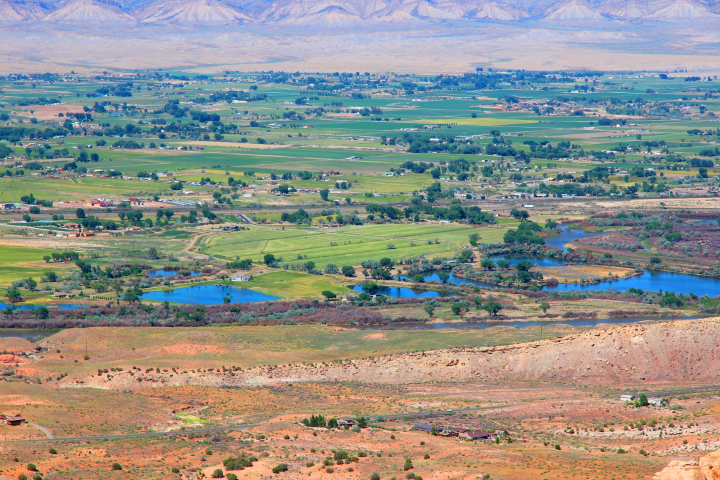
The floodplain is the land adjacent to a river, lake, creek, or ocean that becomes inundated during a flood. Floodplains serve many purposes, including:
- Store excess water
- Support wildlife and native vegetation
- Recharge groundwater
- Filter pollution
- Provide recreation and education opportunities
Human impact
Human activities such as development (for more information visit the Build Responsibly web page), improper recreational use, and littering can harm natural floodplain functions by increasing water runoff, damaging vegetation and wildlife habitats, and blocking storm drains. These impacts can increase flood extent and depth, harm native biodiversity, and reduce water quality.
You can help reduce flooding and protect natural floodplain functions by:
- Disposing of trash and pet waste properly
- Planting native vegetation
- Reporting illegal dumping to the Mesa County Stormwater Management Hotline, 970-263-8201 or through our Contact Us web page.
- Using permeable materials for landscaping
Access our Educational Resources for Stormwater Management web page to learn more.
Stormwater management
Stormwater consists of rainwater, snowmelt, and runoff. It flows from roofs or streets and enters the sewer system via gutters, ditches, and storm drains.
Why it matters
Anything in stormwater (like oil, trash, or chemicals) is discharged into the environment.
The Mesa County Stormwater Division is committed to serving, engaging, and educating the community in stormwater pollution prevention.
For more information about Mesa County’s Stormwater Management Program, including best business practices and construction permits and the forms linked below, visit the Stormwater Management Program web page.
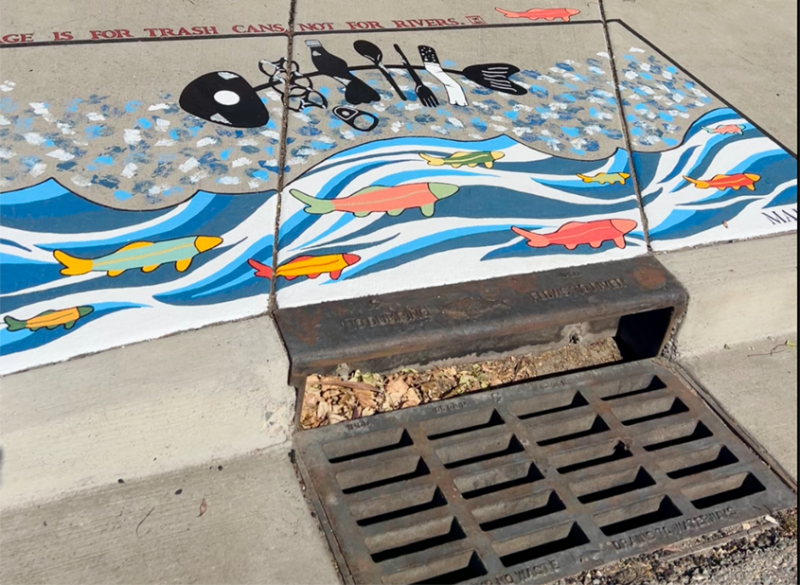
To report localized flooding, storm drain blockage, or inappropriate material being placed in a waterway, call 970-263-8201 or fill out the Stormwater Management Hotline Form.